


Products
Trading Strategies
Markets
© 2025 Edgen Powered by

Ask AI About USDG

No Data Yet

Executive Summary StableChain has launched its mainnet, integrating Tether (USDT) directly into the protocol layer for gas fees. The event marks a significant step in the evolution of stablecoins from purely transactional assets to core infrastructural components of the digital economy. The Event in Detail The StableChain mainnet is now operational, introducing a Layer 1 blockchain architecture where transaction fees are exclusively paid in USDT. This design diverges from conventional models where native, often volatile, tokens like ETH are used for network gas. By employing a stablecoin, the protocol aims to provide predictable transaction costs for users and developers. The project is governed by the newly established Stable Foundation, a centralized entity tasked with overseeing the protocol's development and treasury. Governance participation is facilitated through the STABLE token, which grants holders voting rights on proposals related to the ecosystem. This structure places immediate focus on the foundation's ability to drive utility and decentralize control over time. Market Implications The use of USDT for gas fees solidifies its position as a dominant force in the stablecoin market by embedding it at the protocol level. This move creates a new utility case for USDT beyond trading and DeFi, potentially increasing its adoption and network effects. It also initiates a new competitive dynamic among blockchains vying to become the primary platform for stablecoin-centric applications. This development exemplifies the trend of capital moving from zero-interest bank accounts toward functional digital assets. As noted by industry experts, consumers and institutions are increasingly seeking to hold stablecoins to generate yield. The StableChain model extends this by allowing those same assets to be used for fundamental network operations, creating a more integrated and capital-efficient ecosystem. Expert Commentary The launch aligns with predictions of a "stablecoin super cycle." Aishwary Gupta, Global Head of Payments at Polygon, anticipates a market expansion to over 100,000 stablecoins as financial institutions and consumer applications race to launch their own tokens to retain capital. According to Gupta, this prevents the outflow of low-cost deposits to external issuers, forcing traditional banks to compete by offering their own "deposit tokens." Similarly, Ronak Daya, Head of Product at Paxos, has stated that "everyone wants a stablecoin," but few can build the necessary infrastructure from scratch. StableChain's approach of leveraging an existing, highly liquid stablecoin like USDT validates this thesis. However, the introduction of the STABLE governance token raises regulatory questions. Legal analyses confirm that token utility is not a "safe harbor" from securities classification. Under the Howey Test, if purchasers of STABLE rely on the "entrepreneurial or managerial efforts" of the Stable Foundation to generate value, the token could be deemed an investment contract, regardless of its governance functions. Broader Context StableChain's launch is a concrete manifestation of the crypto industry's pivot from speculative assets toward real-world utility. While assets like Bitcoin continue to exhibit high volatility, the foundational layers for a new financial system are being built with stablecoins. This trend is further validated by the increasing institutional adoption of stablecoins for payments, settlements, and treasury management, as seen with firms like PayPal and Kraken. The proliferation of purpose-built blockchains and stablecoins is creating a fragmented but highly functional digital economy. As this landscape matures, the focus shifts from speculative trading to the fundamental utility of decentralized networks. The StableChain model, while nascent, represents a critical experiment in defining the next phase of blockchain infrastructure.

Executive Summary Ripple has obtained an expanded Major Payment Institution (MPI) license from the Monetary Authority of Singapore (MAS), significantly broadening its service capabilities in the Asia-Pacific region. The enhanced license permits Ripple to offer a full range of regulated digital payment services, including those leveraging its native XRP token and its planned RLUSD stablecoin. This development solidifies Singapore's status as a key jurisdiction for regulated digital asset innovation and strengthens Ripple's strategic position in the competitive cross-border payments market. The Event in Detail The Monetary Authority of Singapore has officially upgraded Ripple's regulatory status from its previous in-principle approval to a full Major Payment Institution (MPI) license. This authorization is not a minor adjustment but a significant expansion of permitted activities under Singapore's strict legal framework. The expanded license now explicitly allows Ripple to provide: Full Cross-Border Payment Processing: Enabling comprehensive transfer services for institutional clients. Regulated Digital Asset Services: Permitting the use of XRP and the future RLUSD stablecoin within its payment solutions. Enterprise-Grade Settlement and Liquidity: Offering advanced tools for institutional-scale liquidity management and settlement. Fiat On/Off-Ramps: Facilitating the seamless conversion between digital assets and traditional currencies. This approval places Ripple's Singapore operations under the direct and comprehensive oversight of the MAS, ensuring adherence to high standards of compliance and user protection. Market Implications The primary implication of the expanded license is the validation of Ripple's digital assets for institutional use within a respected regulatory environment. By greenlighting services based on XRP and RLUSD, the MAS provides a level of legitimacy that can accelerate adoption among financial institutions that were previously hesitant due to regulatory uncertainty. This move enhances Ripple's competitive footing in the Asia-Pacific region, a critical hub for global remittances and trade finance. The ability to offer regulated, digital asset-based liquidity and settlement solutions provides a distinct advantage over traditional payment systems, which often face higher costs and slower settlement times. The market for regulated stablecoins, in particular, is a key area of strategic focus, with Ripple's RLUSD positioned to compete with established offerings. Expert Commentary While Ripple has not issued a new public statement on the specifics of the license expansion, the move aligns with commentary from other industry leaders regarding the impact of regulatory clarity. Ronak Daya, Head of Product at Paxos, a firm that operates the regulated USDG stablecoin, noted a similar trend in the broader market. > "We've always seen demand, but the time from consideration to getting started is shrinking," Daya stated in a recent interview, explaining that the establishment of clear regulatory frameworks in major jurisdictions has removed a significant barrier for institutional adoption. This sentiment reflects the environment in which Ripple's Singapore license was granted. As regulators provide clear rules of engagement, corporations are moving more quickly to integrate digital assets and blockchain-based infrastructure. Broader Context Ripple's achievement in Singapore is part of a larger, global trend of digital asset firms securing comprehensive regulatory approvals in major financial centers. It closely follows the news of Binance receiving full authorization from Abu Dhabi Global Markets (ADGM) to operate its exchange, clearing, and brokerage services. Both events signal a maturation of the industry, where leading firms are actively seeking robust regulatory oversight to build sustainable, long-term businesses. Furthermore, the explicit inclusion of Ripple's stablecoin, RLUSD, in the license underscores the growing importance of regulated, asset-backed digital currencies in the financial ecosystem. This parallels the strategy of firms like Paxos and its Global Dollar Network, which are building institutional-grade infrastructure for stablecoin issuance and settlement. The regulatory approval for such instruments is critical for their use in cross-border payments, where stability and compliance are paramount. This shift towards regulated frameworks stands as a clear industry-wide pivot from speculative activity towards building foundational financial infrastructure.

Executive Summary The United States has established its first comprehensive federal framework for stablecoins with the signing of the Guiding and Establishing National Innovation for U.S. Stablecoins (GENIUS) Act. The legislation, signed into law by President Trump in July 2025, provides regulatory clarity for a market already exceeding $280 billion in circulation. This move is anticipated to unlock significant institutional investment and accelerate the integration of dollar-backed digital currencies into the mainstream financial system, reinforcing the dollar's primacy in the evolving global digital economy. The Event in Detail The GENIUS Act, sponsored by Senator Bill Hagerty, creates a defined regulatory pathway for the issuance and operation of stablecoins within the United States. Prior to its passage, the digital asset space was characterized by regulatory ambiguity, which acted as a significant barrier to entry for large, regulated financial players. The lack of a clear legal framework created compliance risks that most institutional investors were unwilling to assume. This legislation directly addresses those concerns by establishing national standards, which are expected to foster innovation while ensuring consumer protection and financial stability. The act follows a series of pro-crypto actions by the administration, including the rescission of certain Biden-era policies and a prohibition on a U.S. Central Bank Digital Currency (CBDC), signaling a clear preference for a private-sector-led approach to digital dollars. Market Implications The passage of the GENIUS Act is a watershed moment for the digital asset industry, effectively legitimizing stablecoins as a formal component of the financial landscape. This clarity is expected to catalyze a new wave of adoption. The recent removal of the Securities and Exchange Commission’s Staff Accounting Bulletin 121 (SAB 121) had already cleared a significant obstacle for banks by altering the accounting requirements for holding crypto assets, making custody services economically viable. The GENIUS Act provides the top-down legal certainty needed for these institutions to move forward. Financial giants that have already signaled interest in the space, such as Bank of America and Vanguard, are now better positioned to offer digital asset services and products to their clients. Wealth management firms are increasingly endorsing digital asset allocations, and the new law provides a stable foundation for creating and integrating products like USDG, a regulated stablecoin powered by Paxos' Global Dollar Network. Expert Commentary Market experts view the legislation as a pivotal shift from speculation to utility. According to Pete Najarian and Joe Bruzzesi of Raptor Digital, the crypto ecosystem has been fatigued by speculative cycles, but "something real is taking shape" underneath the noise, with stablecoins bursting into the mainstream. Ronak Daya, Head of Product at Paxos, confirmed that regulatory clarity is dramatically reducing adoption timelines for financial institutions. He noted the tangible shift in client sentiment: > Everyone wants a stablecoin... We've always seen demand, but the time from consideration to getting started is shrinking. Previously, companies cited regulatory uncertainty as justification for delays. That air cover has disappeared. This sentiment underscores a broader consensus: the foundational infrastructure for institutional crypto adoption is finally materializing. Broader Context The GENIUS Act strategically positions the U.S. dollar to maintain its dominance in an increasingly tokenized global economy. By providing a clear framework, the U.S. aims to become the premier jurisdiction for stablecoin innovation, rivaling comprehensive international regulations like Europe's Markets in Crypto-Assets (MiCA) framework. This legislation ensures that the primary digital representations of the dollar are regulated under U.S. law. However, the administration's focus appears bifurcated. While the GENIUS Act is a significant pro-crypto financial policy, the latest National Security Strategy notably omitted digital assets and blockchain. Instead, it prioritized AI, biotech, and quantum computing as key technologies for maintaining America's strategic edge. This suggests that while the financial utility of crypto is now formally recognized, its broader strategic importance to national security and technological leadership is still under evaluation by the U.S. establishment.
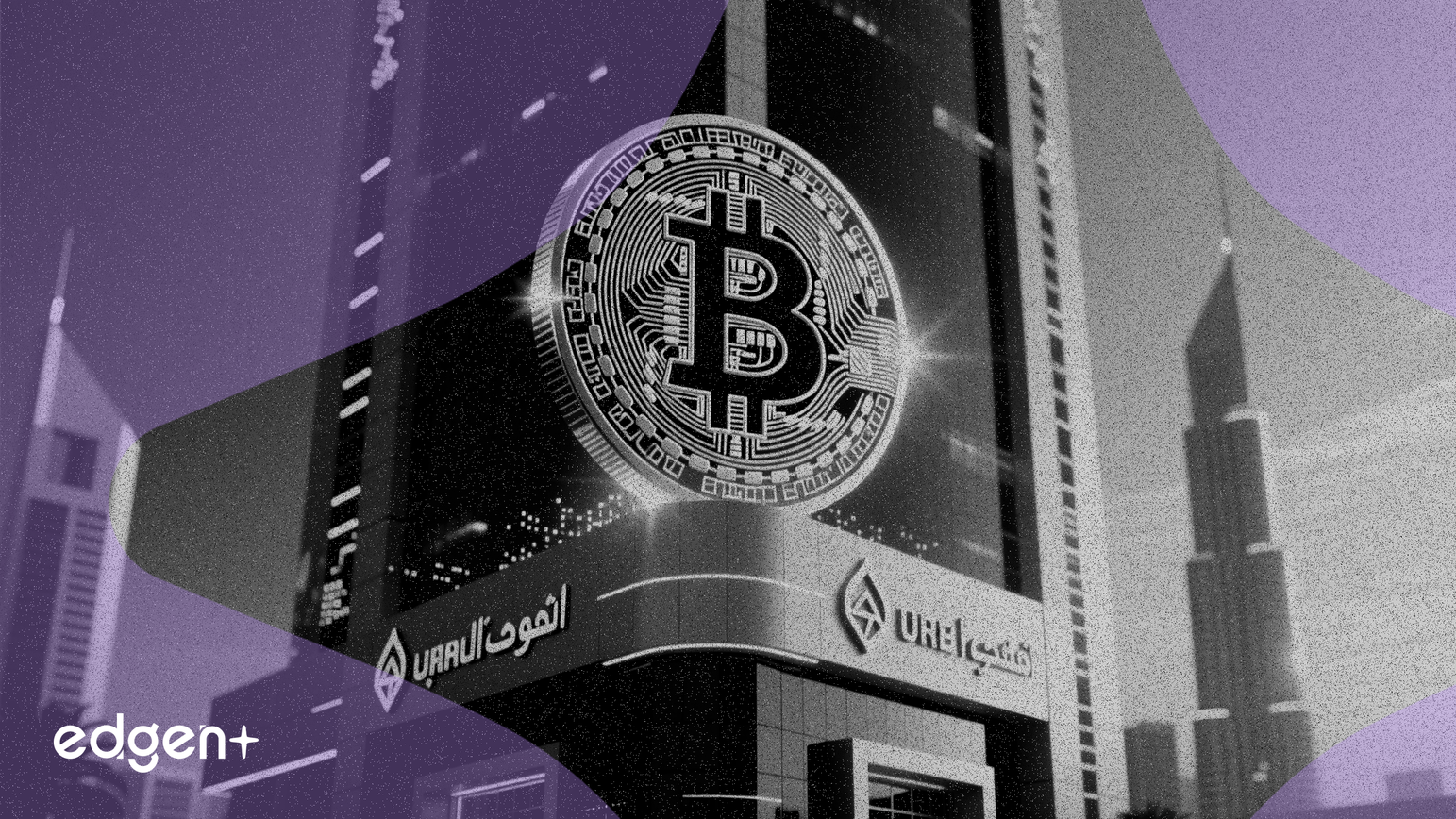
Executive Summary Ruya, an Islamic bank based in the United Arab Emirates, has launched a service enabling its customers to trade Bitcoin (BTC). The offering is facilitated through a partnership with crypto infrastructure provider Fuze and is integrated directly into the bank's mobile app. A crucial feature of the service is its structural compliance with Sharia principles, making it accessible to investors who follow Islamic law. This development occurs as the UAE solidifies its position as a global crypto hub, with regional digital asset inflows exceeding $30 billion—a 42% year-over-year increase. The move signals a significant convergence of the traditional Islamic finance system and the digital asset economy. The Event in Detail The partnership between ruya and Fuze allows the bank to leverage an established crypto-as-a-service platform while maintaining its trusted, regulated client interface. Customers can use their existing bank accounts to seamlessly buy, sell, and hold Bitcoin within their mobile banking application. The adherence to Sharia law is a key differentiator. Islamic finance prohibits gharar (excessive uncertainty or speculation). By offering a product deemed compliant, ruya has addressed a major barrier, potentially opening the asset class to a large, underserved market of observant Muslim investors. Market Implications This initiative has the potential to channel significant new capital into the digital asset market from the global Islamic finance sector, which is valued in the trillions of dollars. The endorsement from a regulated Islamic bank lends substantial credibility to Bitcoin as a legitimate asset class, mirroring the legitimization trend in Western markets. Major financial players like Bank of America and Vanguard are increasingly providing clients with access to digital asset products, underscoring a global shift. This move by ruya may also exert competitive pressure on other financial institutions in the Middle East to develop their own digital asset strategies to retain customers and deposits. Expert Commentary The broader market context supports this trend of financial integration. Ronak Daya, Head of Product at Paxos, noted that for institutional clients, "the time from consideration to getting started is shrinking" as regulatory clarity emerges. This acceleration is compelling traditional institutions to act. Aishwary Gupta, Global Head of Payments at Polygon, suggested that banks face the threat of capital flight to yield-generating stablecoins, making the adoption of crypto services a defensive necessity to "ringfence liquidity." This sentiment is reflected in the actions of major wealth managers. Bank of America has officially endorsed digital asset allocation levels for its wealth management clients, and asset management giant Vanguard has pivoted to allow crypto ETFs on its brokerage platform after years of resistance. Broader Context Ruya's service launch reinforces the UAE's strategic position as a global crypto-friendly hub, a perception strengthened by firms like Guggenheim Investments planning expansion in the Gulf region. The partnership model, where a bank integrates third-party crypto infrastructure, follows a playbook successfully used by Western firms like PayPal and Robinhood. However, this adoption occurs within a complex global landscape. While the UAE fosters innovation, other large markets like India present significant regulatory challenges, as seen with Coinbase's difficult re-entry. Furthermore, growing adoption brings increased scrutiny of risks. A Chainalysis report estimated that illicit transactions involving stablecoins reached $25 billion, highlighting the persistent challenges of money laundering and sanctions evasion that regulated entities like ruya must rigorously manage.
Global Dollar (USDG) current price is $0.999937, down 0.01% today.
Global Dollar (USDG) daily trading volume is $95.3M
Global Dollar (USDG) current market cap is $1.9B
Global Dollar (USDG) current circulating supply is 1.9B
Global Dollar (USDG) fully diluted market cap (FDV) is $1.9B