Edgen Crypto·Dec 08 2025, 12:45



Executive Summary
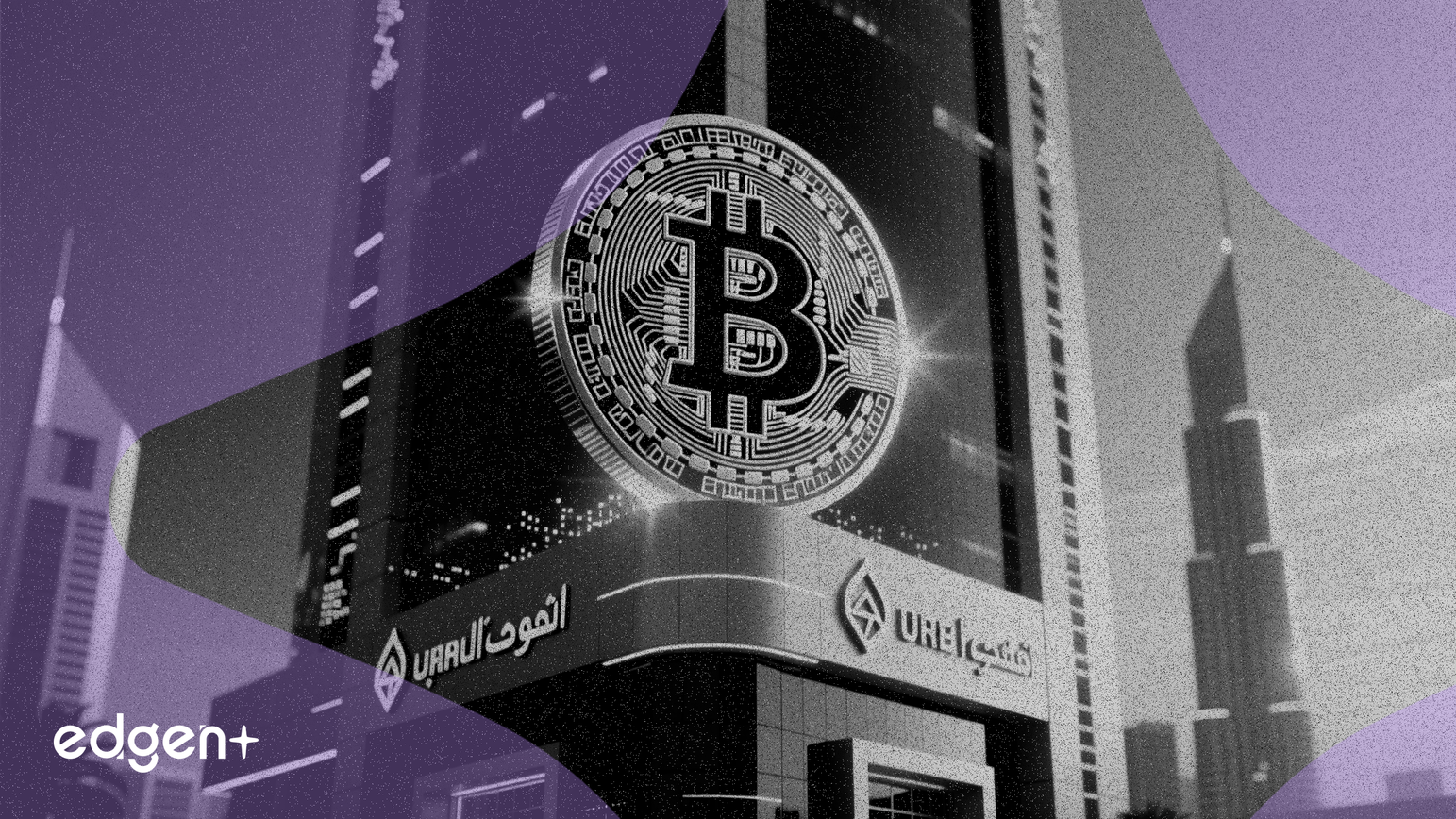
Ruya, an Islamic bank based in the United Arab Emirates, has launched a service enabling its customers to trade Bitcoin (BTC). The offering is facilitated through a partnership with crypto infrastructure provider Fuze and is integrated directly into the bank's mobile app. A crucial feature of the service is its structural compliance with Sharia principles, making it accessible to investors who follow Islamic law. This development occurs as the UAE solidifies its position as a global crypto hub, with regional digital asset inflows exceeding $30 billion—a 42% year-over-year increase. The move signals a significant convergence of the traditional Islamic finance system and the digital asset economy.
The Event in Detail
The partnership between ruya and Fuze allows the bank to leverage an established crypto-as-a-service platform while maintaining its trusted, regulated client interface. Customers can use their existing bank accounts to seamlessly buy, sell, and hold Bitcoin within their mobile banking application. The adherence to Sharia law is a key differentiator. Islamic finance prohibits gharar (excessive uncertainty or speculation). By offering a product deemed compliant, ruya has addressed a major barrier, potentially opening the asset class to a large, underserved market of observant Muslim investors.
Market Implications
This initiative has the potential to channel significant new capital into the digital asset market from the global Islamic finance sector, which is valued in the trillions of dollars. The endorsement from a regulated Islamic bank lends substantial credibility to Bitcoin as a legitimate asset class, mirroring the legitimization trend in Western markets. Major financial players like Bank of America and Vanguard are increasingly providing clients with access to digital asset products, underscoring a global shift. This move by ruya may also exert competitive pressure on other financial institutions in the Middle East to develop their own digital asset strategies to retain customers and deposits.
Expert Commentary
The broader market context supports this trend of financial integration. Ronak Daya, Head of Product at Paxos, noted that for institutional clients, "the time from consideration to getting started is shrinking" as regulatory clarity emerges. This acceleration is compelling traditional institutions to act. Aishwary Gupta, Global Head of Payments at Polygon, suggested that banks face the threat of capital flight to yield-generating stablecoins, making the adoption of crypto services a defensive necessity to "ringfence liquidity." This sentiment is reflected in the actions of major wealth managers. Bank of America has officially endorsed digital asset allocation levels for its wealth management clients, and asset management giant Vanguard has pivoted to allow crypto ETFs on its brokerage platform after years of resistance.
Broader Context
Ruya's service launch reinforces the UAE's strategic position as a global crypto-friendly hub, a perception strengthened by firms like Guggenheim Investments planning expansion in the Gulf region. The partnership model, where a bank integrates third-party crypto infrastructure, follows a playbook successfully used by Western firms like PayPal and Robinhood. However, this adoption occurs within a complex global landscape. While the UAE fosters innovation, other large markets like India present significant regulatory challenges, as seen with Coinbase's difficult re-entry. Furthermore, growing adoption brings increased scrutiny of risks. A Chainalysis report estimated that illicit transactions involving stablecoins reached $25 billion, highlighting the persistent challenges of money laundering and sanctions evasion that regulated entities like ruya must rigorously manage.