


Products
Trading Strategies
Markets
© 2025 Edgen Powered by

Ask AI About USDT

No Data Yet

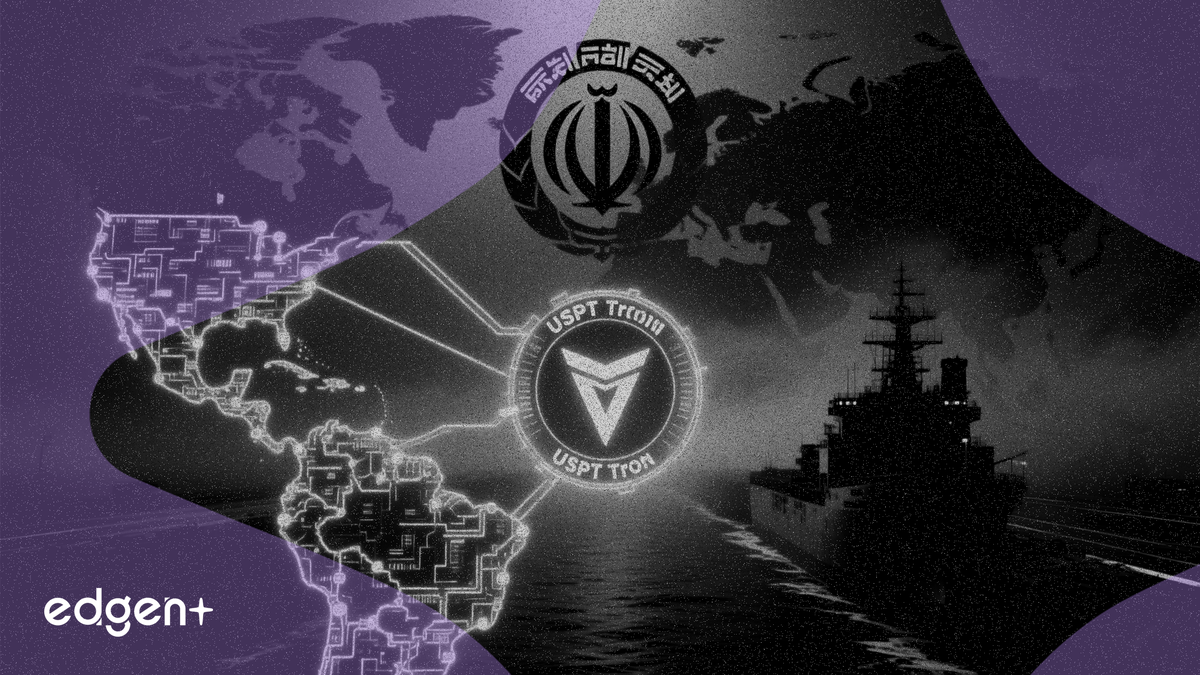
Iran’s Islamic Revolutionary Guard Corps (IRGC) is using the USDT stablecoin on the Tron network to create a payment system for its Hormuz operations, placing the transactions outside the reach of United States financial sanctions. The development escalates the stakes for both Tether, the issuer of USDT, and the Tron blockchain. Blockchain analytics firm Chainalysis previously estimated that over $1.9 billion in illicit transactions were linked to Iranian addresses between 2019 and 2024, highlighting the scale of sanctions evasion even before this direct IRGC link emerged. The U.S. Treasury has demonstrated sophisticated capabilities in tracing blockchain transactions, and any evidence of direct support for a sanctioned entity like the IRGC could invite severe penalties. For years, Iran has been systematically pushed out of the global financial system by U.S. sanctions targeting its nuclear program and regional activities. Cut off from international banking rails like SWIFT, the nation turned to state-sponsored cryptocurrency mining, converting subsidized energy into borderless digital assets like Bitcoin to purchase imports. The use of USDT on Tron represents a tactical evolution, favoring a low-cost, liquid stablecoin for more direct operational funding over Bitcoin's volatility. This places Tether and Tron in the direct line of fire of the Treasury's Office of Foreign Assets Control (OFAC). An OFAC designation against the Tron network or key addresses associated with Tether's operations could be catastrophic, potentially requiring all U.S. persons and entities, including major exchanges like Coinbase and Kraken, to freeze associated assets. Such a move would trigger a crisis of confidence in USDT, the crypto market's primary source of liquidity, and reinforce the narrative of crypto as a tool for illicit finance. While diplomatic overtures from Iran's new president have been reported, the market remains skeptical, viewing actions like the IRGC's crypto adoption as a more credible indicator of the country's policy. This article is for informational purposes only and does not constitute investment advice.

Tether, the issuer of the USDT stablecoin, is making a final attempt to raise funds at a $500 billion valuation, according to a report by The Information. The report, which cites sources familiar with the fundraising discussions, suggests this is a final push by the stablecoin issuer to secure a monumental valuation that would place it in the upper echelon of global financial firms. Tether has not publicly confirmed the funding round or the valuation target. Tether's USDT is the largest stablecoin in the digital asset market, with a circulating supply that exceeds $110 billion, according to data from DefiLlama. It serves as a primary source of liquidity and a key trading pair on most cryptocurrency exchanges. A $500 billion valuation would be a nearly fivefold increase over its on-chain footprint and would dwarf the valuation of its main competitor, Circle, the issuer of the USDC stablecoin. While a successful raise would cement Tether's financial dominance, the $500 billion figure is likely to intensify scrutiny from regulators worldwide who are already developing frameworks for stablecoins. Failure to secure the deal, or questions about the valuation's basis, could introduce fresh volatility to the USDT peg and the wider crypto market, which relies heavily on its stability. The move comes as jurisdictions like the European Union implement comprehensive crypto-asset regulations (MiCA) and US lawmakers continue to debate federal oversight for stablecoin issuers. This article is for informational purposes only and does not constitute investment advice.

A Tether executive will take the helm of a new pro-crypto political action committee on April 1, as the US Congress debates two key pieces of legislation that could reshape the stablecoin industry. The move, reported on April 1, 2026, comes as a debate over stablecoin yield is underway within the US government, directly impacting major issuers like Tether. The legislative push includes a market structure bill and specific considerations around the legality of stablecoin yields, a core component of the DeFi ecosystem and a revenue source for issuers. The formation of the PAC indicates the industry is preparing for a significant lobbying effort to influence the outcome. The outcome of this legislative battle is critical for the $150 billion stablecoin market. Favorable regulations could provide much-needed clarity and a tailwind for crypto adoption, while restrictive measures, particularly on yields, could be bearish and destabilize a key source of liquidity in decentralized finance. This regulatory uncertainty in the US contrasts with clearer frameworks like Europe's MiCA, potentially shifting market dynamics. This article is for informational purposes only and does not constitute investment advice.

markdown The pro-crypto super PAC that promised a $100 million war chest for pro-Trump candidates has appointed Tether's VP of Regulatory Affairs, Jesse Spiro, as its chairman, signaling a renewed push ahead of the 2026 midterm elections despite having raised $0 to date. "Transparency and trust is our differentiator," the committee said in its initial announcement, stating a mission to support candidates who back predictable rules for crypto and protect the nation’s competitive edge in technology. Fellowship PAC filed its statement of organization with the Federal Election Commission (FEC) in August 2025 and publicly launched the following month with a pledge of over $100 million. However, its most recent filings show it has received no contributions and has zero cash on hand. The PAC's treasurer is Mitchell Nobel, a director at Cantor Fitzgerald, a firm that has handled assets for Tether and whose CEO, Howard Lutnick, was a key figure in the Trump administration. The appointment of a senior regulatory executive from the world's largest stablecoin issuer marks the most concrete step by the PAC to date and suggests a focused effort to influence policy. It places Fellowship PAC in a more overtly partisan camp compared to the industry's largest spending group, Fairshake, which has amassed over $193 million while maintaining a more bipartisan public stance. A Phantom PAC's New Voice After its high-profile launch was met with silence in its campaign finance reports, the Fellowship PAC was largely considered a phantom entity. Reports noted the gap between the nine-figure pledge and the empty bank account, with one publication declaring the PAC "never arrived." The committee's website and social media presence have been minimal, with its most recent activity on X being a repost of Tether CEO Paolo Ardoino. Spiro's appointment as chairman is the first significant activity from the group since its launch. His background in regulatory affairs at Tether, the issuer of the $112 billion market cap USDT stablecoin, suggests the PAC's objectives are deeply intertwined with shaping the legal framework for digital assets in the U.S. Crypto's Growing Political War Chest The move comes as the cryptocurrency industry's political spending reaches unprecedented levels. Pro-crypto entities have already directed at least $288 million toward the 2026 election cycle, more than double the entire 2024 cycle, according to research from "Citation Needed" reporter Molly White. While Fairshake, backed by Coinbase and Ripple, remains the largest single PAC, a cohort of explicitly partisan, pro-Trump PACs like Fellowship and the Digital Freedom Fund have emerged. This reflects a strategic pivot by some industry players to align directly with the Republican party to achieve their deregulatory goals. Spiro's leadership of Fellowship PAC solidifies this trend, creating a direct channel of influence for a major stablecoin operator within this new political machine. This article is for informational purposes only and does not constitute investment advice.
Tether (USDT) current price is $0.999837, down 0.01% today.
Tether (USDT) daily trading volume is $67.1B
Tether (USDT) current market cap is $184.1B
Tether (USDT) current circulating supply is 184.1B
Tether (USDT) fully diluted market cap (FDV) is $189.5B
Tether (USDT) is founded by Paolo Ardoino