


Products
Trading Strategies
Markets
© 2025 Edgen Powered by

Ask AI About SOL
No Data Yet

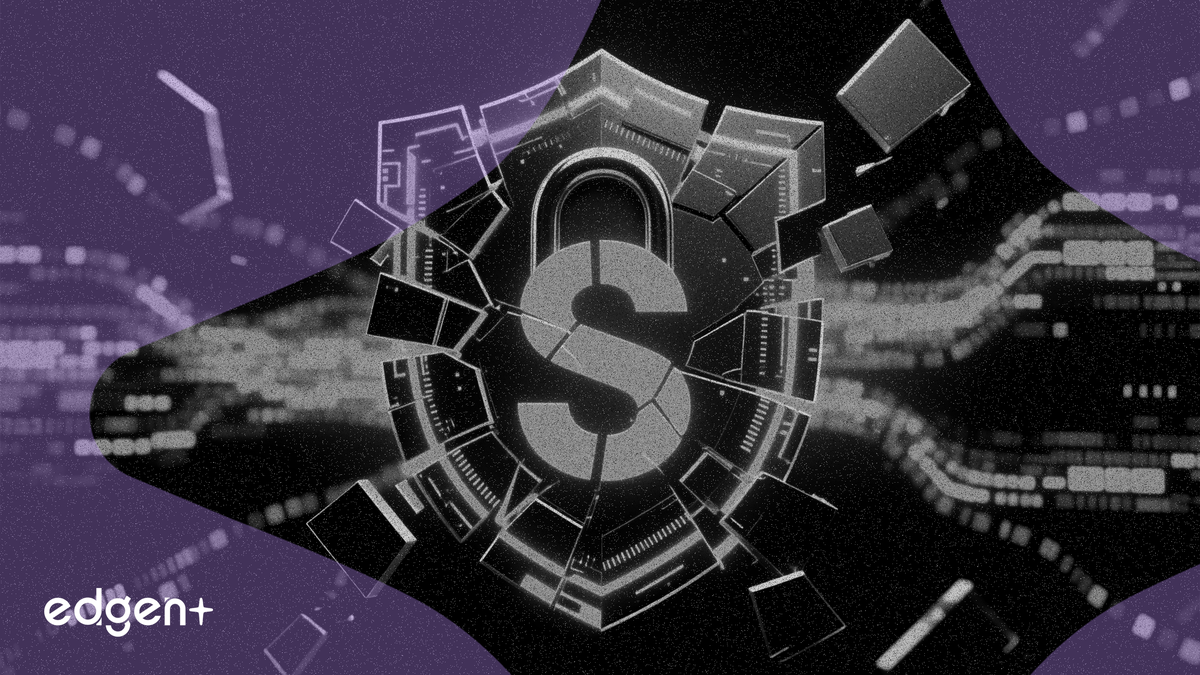
(P1) The Solana Foundation, in partnership with Asymmetric Research, launched the STRIDE security program on April 6, 2026, a direct response to the recent $286 million exploit on the Drift Protocol. The new program is designed to enhance the security framework for decentralized finance (DeFi) applications operating on the Solana network. (P2) "The STRIDE program introduces a multi-layered approach to security, incorporating continuous evaluations and real-time threat monitoring to protect the Solana DeFi ecosystem," a spokesperson for the Solana Foundation said. "Our goal is to create a more secure environment for both developers and users." (P3) The launch of STRIDE comes just a week after the Drift Protocol, a prominent DeFi platform on Solana, suffered a significant security breach. Attackers managed to drain approximately $286 million from the protocol in a rapid 12-minute attack, highlighting vulnerabilities within the ecosystem. The STRIDE program will offer formal verification services to identify and mitigate such risks before they can be exploited. (P4) The success of STRIDE will be critical in restoring confidence in the Solana DeFi ecosystem, which has seen significant growth over the past year. The program's ability to prevent future high-profile hacks will likely determine whether Solana can continue to attract and retain users and developers in the competitive DeFi space. The initiative will also be closely watched by other layer-1 blockchains like Ethereum and Avalanche, which have also experienced similar security challenges. This article is for informational purposes only and does not constitute investment advice.
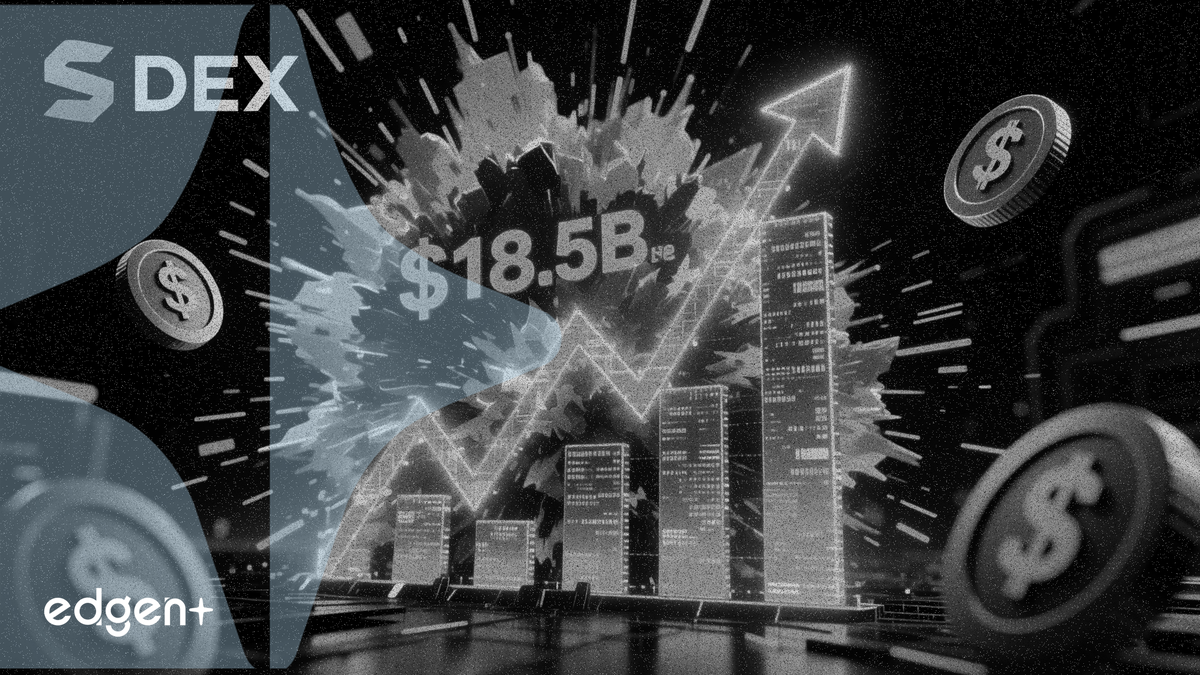
Decentralized exchange volume reached $18.53 billion on April 5, fueled by a surge in speculative trading on the Solana blockchain. Data from CoinGecko shows the spike in activity was concentrated in meme tokens, even as broader market performance remained uneven. The surge represents a significant rotation of capital into high-risk, volatile assets within the Solana ecosystem. While specific meme tokens saw sharp price increases, the broader crypto market did not follow suit, indicating isolated speculation. This trend highlights the growing influence of meme-based trading on DEX liquidity, posing potential risks of increased volatility across the DeFi landscape as capital quickly moves between narratives. The concentration of volume in a few meme tokens suggests that while on-chain liquidity is high, it may not be sustainable. This "hot money" could exit as quickly as it entered, leading to sharp price corrections and impacting the stability of the underlying DEX platforms on Solana. This article is for informational purposes only and does not constitute investment advice.
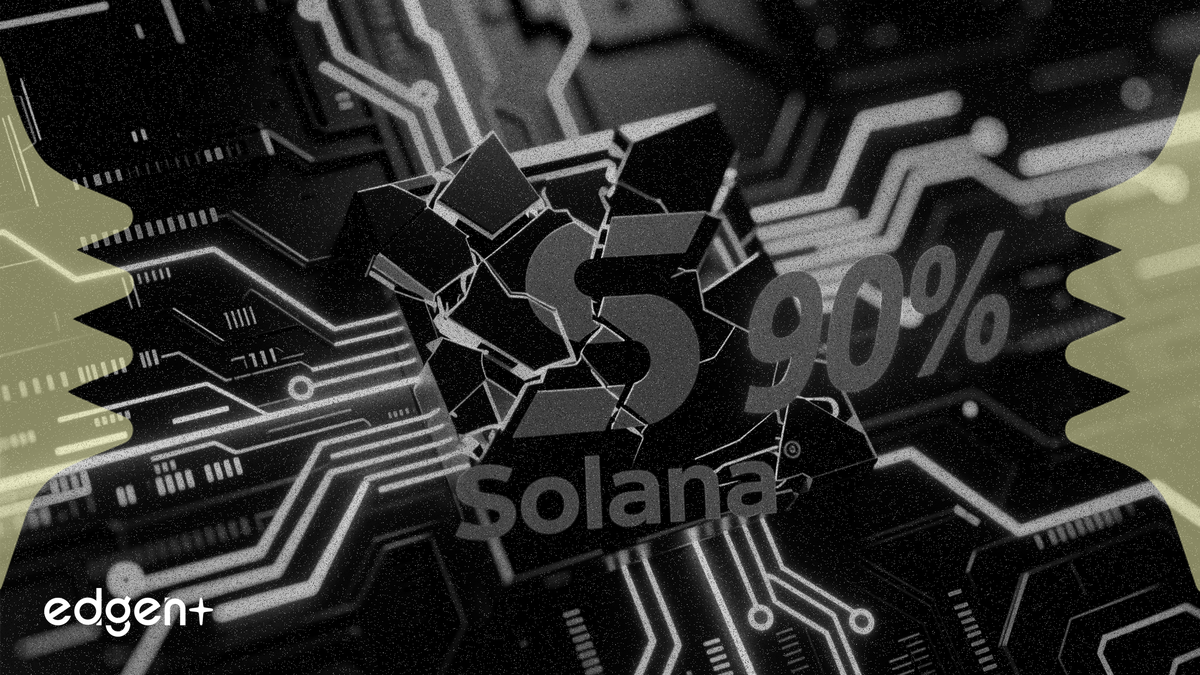
Early tests of post-quantum cryptography on the Solana network revealed a 90% reduction in speed, a critical tradeoff for implementing security measures designed to resist future quantum computer attacks. The work, conducted by the Solana Foundation in partnership with cryptography firm Project Eleven, surfaces a difficult reality for the high-throughput blockchain: making Solana quantum-safe may come at the expense of the very performance that defines it. "The new, quantum-safe ‘signatures’ that approve transactions are much larger and heavier than those used today, roughly 20 to 40 times larger," Alex Pruden, CEO of Project Eleven, told CoinDesk. That increase in data size means the network can handle far fewer transactions at once. In a test environment deploying quantum-resistant signatures, a version of Solana using the new cryptography ran about 90% slower than the current mainnet, according to Pruden. The experiments are part of a broader industry push to prepare for "Q-day," the moment quantum computers become capable of breaking today's encryption. The tradeoff cuts directly at the heart of Solana’s design, which has built its reputation on processing a high volume of transactions with low latency. While Bitcoin developers and the Ethereum Foundation are also preparing for the quantum threat, Solana’s architecture, which exposes public keys directly, makes it uniquely vulnerable, with Pruden noting that "100% of the network is vulnerable." Unlike Bitcoin and Ethereum, where wallet addresses typically hash public keys, a quantum computer could theoretically target any Solana wallet directly to try and recover its private key. This structural difference has added urgency to the foundation's experimental work. While the core development team grapples with a system-wide fix, some ecosystem developers are exploring more immediate solutions like ‘Winternitz Vaults,’ a tool that uses a different cryptographic method to protect individual wallets. The Solana Foundation's proactive testing has been credited for moving the discussion from theory to a tangible testnet. However, the broader challenge remains social as much as it is technical. Upgrading cryptography in a decentralized system requires immense coordination across developers, validators, and application users, a process that could take years. "This is a tomorrow problem — until it’s today’s problem," Pruden said. "And then it takes four years to fix.” This article is for informational purposes only and does not constitute investment advice.
The Solana Foundation has launched 'Solana Agent Skills,' a new toolkit with 1 set of pre-built components designed to let developers integrate on-chain actions directly into artificial intelligence applications. "These pre-built components allow developers to embed interaction with the Solana ecosystem directly into AI tools," the Solana Foundation said in its official announcement. The move is intended to enable the creation of AI agents that can perform tasks on the Solana network. The new skills provide a streamlined way for developers to build AI-powered applications on the Solana blockchain without needing deep expertise in the underlying crypto infrastructure. The toolkit aims to lower the barrier to entry for the growing number of developers working at the intersection of AI and blockchain technology. This initiative could significantly accelerate the development of AI-driven applications on Solana, positioning the network as a key competitor in the emerging AI-crypto sector. By attracting new developers and projects, the move may also fuel network growth and increase long-term demand for the SOL token, which is used to pay for transactions on the network. The launch of 'Agent Skills' places Solana in direct competition with other blockchains like Fetch.ai and Bittensor, which are also focused on creating decentralized platforms for AI development and deployment. The core value proposition for Solana is its high transaction speed and low cost, which could be advantageous for AI applications that require frequent on-chain interactions. The foundation's strategy appears focused on leveraging its existing infrastructure to become a primary hub for the next generation of decentralized AI. This article is for informational purposes only and does not constitute investment advice.
Solana (SOL) current price is $79.77, down 3.28% today.
Solana (SOL) daily trading volume is $2.7B
Solana (SOL) current market cap is $45.7B
Solana (SOL) current circulating supply is 573.5M
Solana (SOL) fully diluted market cap (FDV) is $45.7B
Solana (SOL) is founded by Anatoly Yakovenko