


Products
Trading Strategies
Markets
© 2025 Edgen Powered by

Ask AI About OP
No Data Yet


Optimism Reduces Workforce by Over 20% On March 11, 2026, Ethereum Layer-2 protocol Optimism reportedly conducted significant layoffs, cutting more than 20% of its total staff, according to sources familiar with the internal decision. The move represents a major operational shift for one of the leading scaling solutions designed to reduce transaction costs and improve throughput on the Ethereum network. Staff Cuts Raise Questions About Strategic Direction The substantial workforce reduction immediately casts uncertainty over Optimism's financial health and strategic roadmap. For investors, the layoffs create a bearish signal for the native OP token, as such actions often point to financial constraints, a major strategic pivot, or a need to streamline operations ahead of challenging market conditions. The development may also weaken developer confidence, a critical component for the growth of any Layer-1 or Layer-2 ecosystem. A loss of momentum could prompt users and builders to migrate to competing solutions, intensifying pressure on the Optimism network.
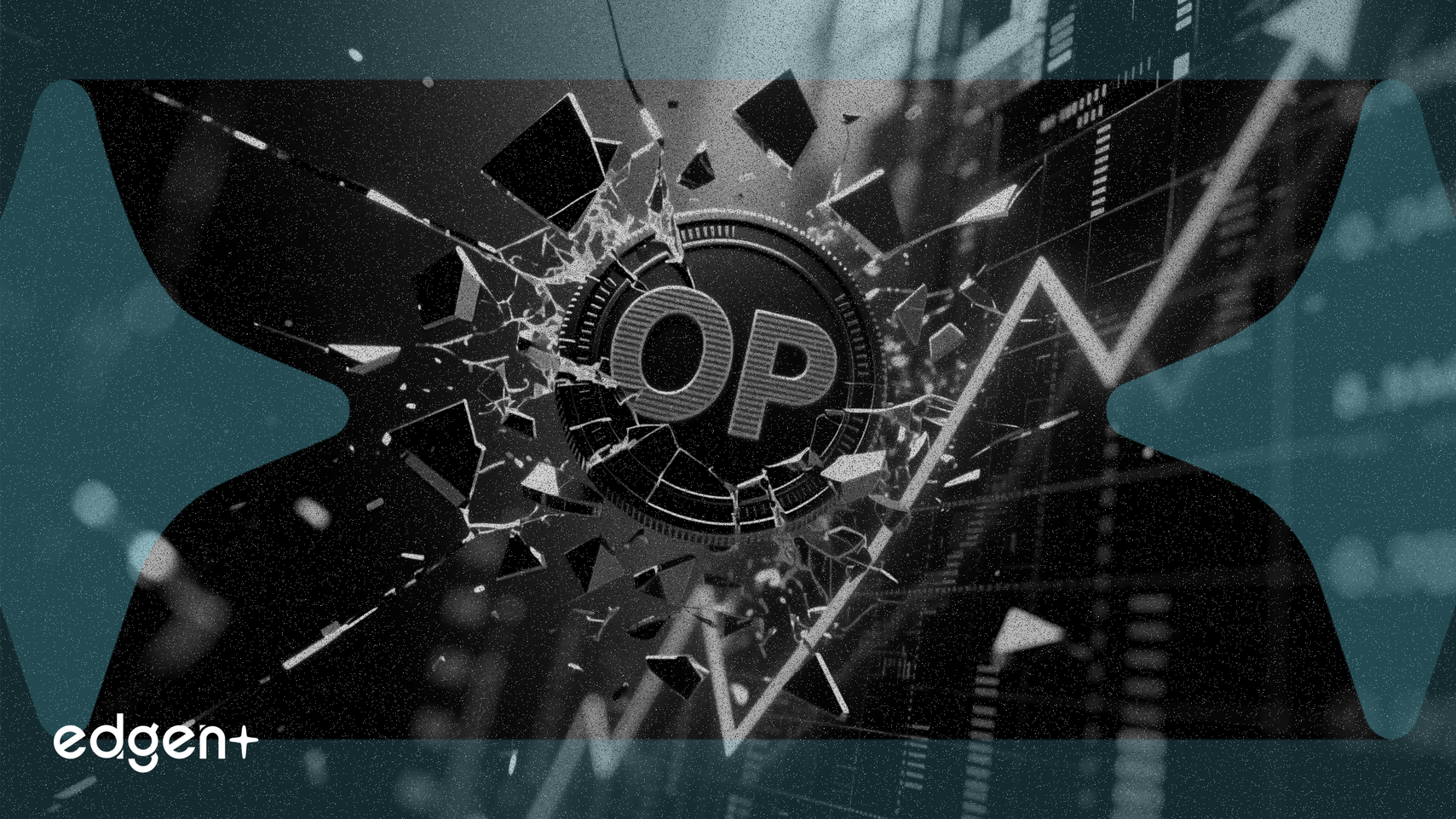
OP Token Wipes Out 97% of Value to Hit $0.12 The price of Optimism's native token (OP) has collapsed, falling 97% from its all-time high to trade at $0.12 on March 5, 2026. This dramatic downturn has effectively erased nearly all of the token's previous gains, pushing it to a critical price level that tests the long-term viability and investor confidence in the Layer 2 scaling solution. The decline places the token in a precarious position, forcing market participants to re-evaluate its fundamental value against its depreciated market price. Analysts Eye Superchain Growth as Recovery Catalyst Despite the severe price depreciation, some analysts believe a recovery is possible, pointing to fundamental drivers within the Optimism ecosystem. The project's "Superchain" initiative, which aims to create a network of interconnected chains, continues to show signs of activity. This underlying ecosystem development, combined with sustained backing from prominent venture capital firms, forms the basis of the recovery thesis. Traders are closely watching a key technical demand zone around the current price, with speculative chatter mentioning a potential, albeit high-risk, 4,000% recovery if the network's fundamentals can overcome the negative market sentiment.

Ether.fi Pivots Card Launch to OP Mainnet Decentralized finance protocol Ether.fi has reversed its network choice for its upcoming crypto card, announcing a new launch on OP Mainnet. The product, a non-custodial crypto card, was initially slated to debut on the Scroll network. This strategic pivot moves the project to one of Ethereum's largest and most established Layer 2 ecosystems. The card will allow users to spend their crypto balances directly without needing to deposit funds with a centralized custodian, offering a self-sovereign payment solution. By choosing OP Mainnet, Ether.fi aims to leverage the network's deep liquidity, extensive user base, and robust infrastructure to drive adoption for its new financial product. OP Mainnet Wins Developer Battle Over Scroll Ether.fi's migration deals a direct blow to the Scroll network, representing the loss of a notable project to a more established competitor. The move underscores the fierce competition among Ethereum scaling solutions to attract and retain high-profile applications. For OP Mainnet, securing the Ether.fi card launch reinforces its position as a leading destination for developers. This decision is expected to channel increased transaction volume and on-chain activity to the OP Mainnet ecosystem. For investors, the event highlights the competitive moats being built by incumbent Layer 2s like Optimism, which can create network effects that are difficult for newer entrants like Scroll to overcome.
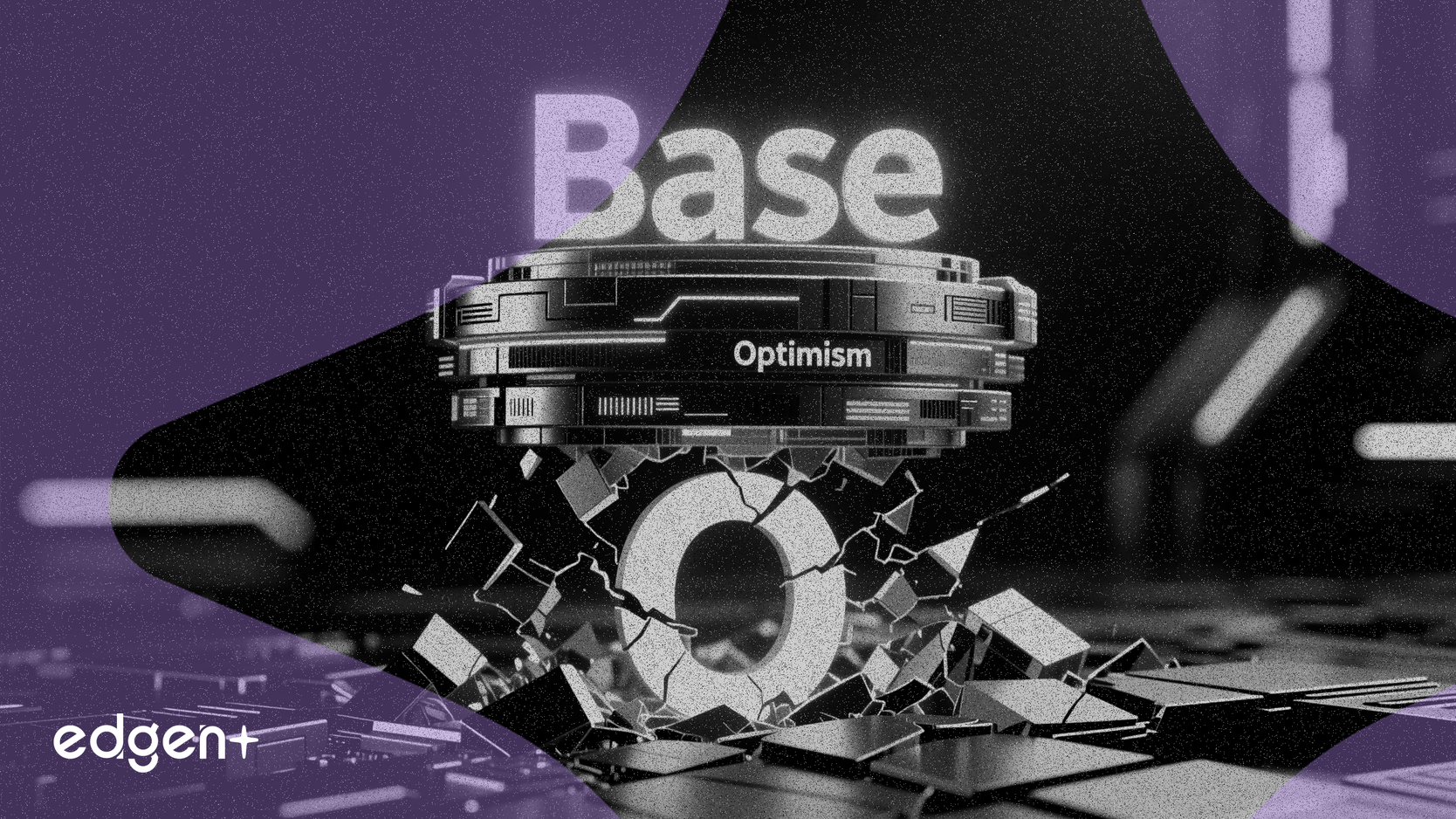
Base Moves to A Proprietary, Unified Tech Stack The Coinbase-incubated Ethereum Layer 2 network, Base, is charting a new course for its foundational software. The project announced it will move away from the Optimism stack, which has served as its technological backbone, in favor of a new, unified stack operated directly by Base. This decision marks a significant departure from its original alignment and signals a strategic push for greater control and customization over its own infrastructure. This evolution means Base will fork the existing Optimism technology to build a proprietary solution. While details on the new stack are still pending, the move is designed to give Base more sovereignty and the ability to tailor its network's performance and features specifically for its ecosystem, which is deeply integrated with Coinbase's broader product suite. Move Challenges Optimism's 'Superchain' Vision Base's pivot delivers a strategic blow to Optimism's overarching 'Superchain' thesis. The Superchain concept envisions a large, interoperable network of Layer 2s built on the OP Stack, all contributing to a cohesive and scalable ecosystem. By choosing to operate its own distinct stack, Base is effectively stepping outside of this collaborative framework. The decision by such a high-profile partner to fork the technology rather than contribute to the core codebase raises questions about the long-term viability of the unified Superchain model. This development could be interpreted as bearish for the Optimism (OP) token, as it underscores the competitive pressures and diverging interests within the Layer 2 market. It highlights the tension between building a unified, open ecosystem and the desire for individual projects to control their own destiny. New Stack Bets on Sovereignty Over Interoperability The strategic rationale for Base appears to be a calculated trade-off, prioritizing sovereignty and performance over native interoperability with the broader Optimism ecosystem. A proprietary stack could allow Base to innovate faster and optimize for specific use cases demanded by Coinbase's massive user base, potentially creating a more performant and vertically integrated environment. However, this path also introduces significant risks. It contributes to the growing fragmentation of the Layer 2 market, where competing, non-interoperable standards can create friction for users and developers. The long-term success of Base's strategy will depend entirely on whether its new, proprietary solution can deliver tangible performance benefits that outweigh the loss of native connectivity to the Superchain.
Optimism (OP) current price is $0.118909, up 8.75% today.
Optimism (OP) daily trading volume is $59.1M
Optimism (OP) current market cap is $253.6M
Optimism (OP) current circulating supply is 2.1B
Optimism (OP) fully diluted market cap (FDV) is $509.9M
Optimism (OP) is founded by Jinglan Wang