


Products
Trading Strategies
Markets
© 2025 Edgen Powered by

Ask AI About FTT

No Data Yet

In his new memoir, 'Freedom of Money', Binance founder Changpeng Zhao claims he never intended to acquire the collapsing FTX exchange in November 2022, an event that saw $6 billion in customer withdrawals in just 72 hours. "The whole thing felt surreal," Zhao wrote, recounting a conversation where former FTX CEO Sam Bankman-Fried was "casually asking for a few billion" as if he were "ordering a sandwich." Zhao's account pinpoints the moment of collapse to a public offer from Alameda Research CEO Caroline Ellison to purchase all available FTT tokens at $22. This move, intended to signal strength, was interpreted by the market as a desperate, under-capitalized bid to defend a price floor, triggering the final bank run. The failed acquisition and subsequent collapse have had long-standing effects on exchange regulation and user trust. The memoir's revelations could reshape the historical narrative of one of crypto's largest collapses, reinforcing the importance of transparency and risk management for centralized platforms. While unlikely to impact asset prices directly, the account serves as a critical case study for the industry ahead of potential new exchange regulations in several jurisdictions. This article is for informational purposes only and does not constitute investment advice.
Nishad Singh, the former Director of Engineering at FTX, has agreed to a settlement with the U.S. Commodity Futures Trading Commission (CFTC) that includes the forfeiture of $3.7 million in illicit gains, the agency announced on April 2. The agreement stems from Singh's involvement in the fraudulent activities that led to the collapse of the cryptocurrency exchange. "The settlement resolves the CFTC’s enforcement action against Singh, holding him accountable for his role in the fraudulent scheme that led to FTX’s downfall," the CFTC said in a statement. The action is part of a broader effort by U.S. regulators to pursue individuals involved in the multi-billion dollar failure of the platform. In addition to the financial penalty, the consent order imposes significant restrictions on Singh's future activities in the derivatives markets. He is subject to a five-year ban on trading swaps or other commodity interests and an eight-year ban on seeking registration with the CFTC in any capacity. These bans effectively sideline him from the regulated U.S. crypto derivatives space. This settlement reinforces the precedent of regulatory clawbacks and penalties for executives of failed crypto platforms. While not a direct market-moving event, it highlights the persistent regulatory risk within the digital asset space and the long-term legal and financial consequences for corporate misconduct. The case serves as a clear signal from regulators, comparable to actions taken by the SEC, that they will continue to pursue enforcement actions against individuals long after a platform's collapse. The action against Singh follows similar settlements and ongoing legal proceedings involving other high-profile FTX and Alameda Research executives. It underscores the commitment of agencies like the CFTC to police the crypto markets and hold individuals responsible for defrauding customers and investors. The focus on clawing back "illicit gains" demonstrates a key tool regulators are using to ensure that executives do not profit from their fraudulent activities. This article is for informational purposes only and does not constitute investment advice.
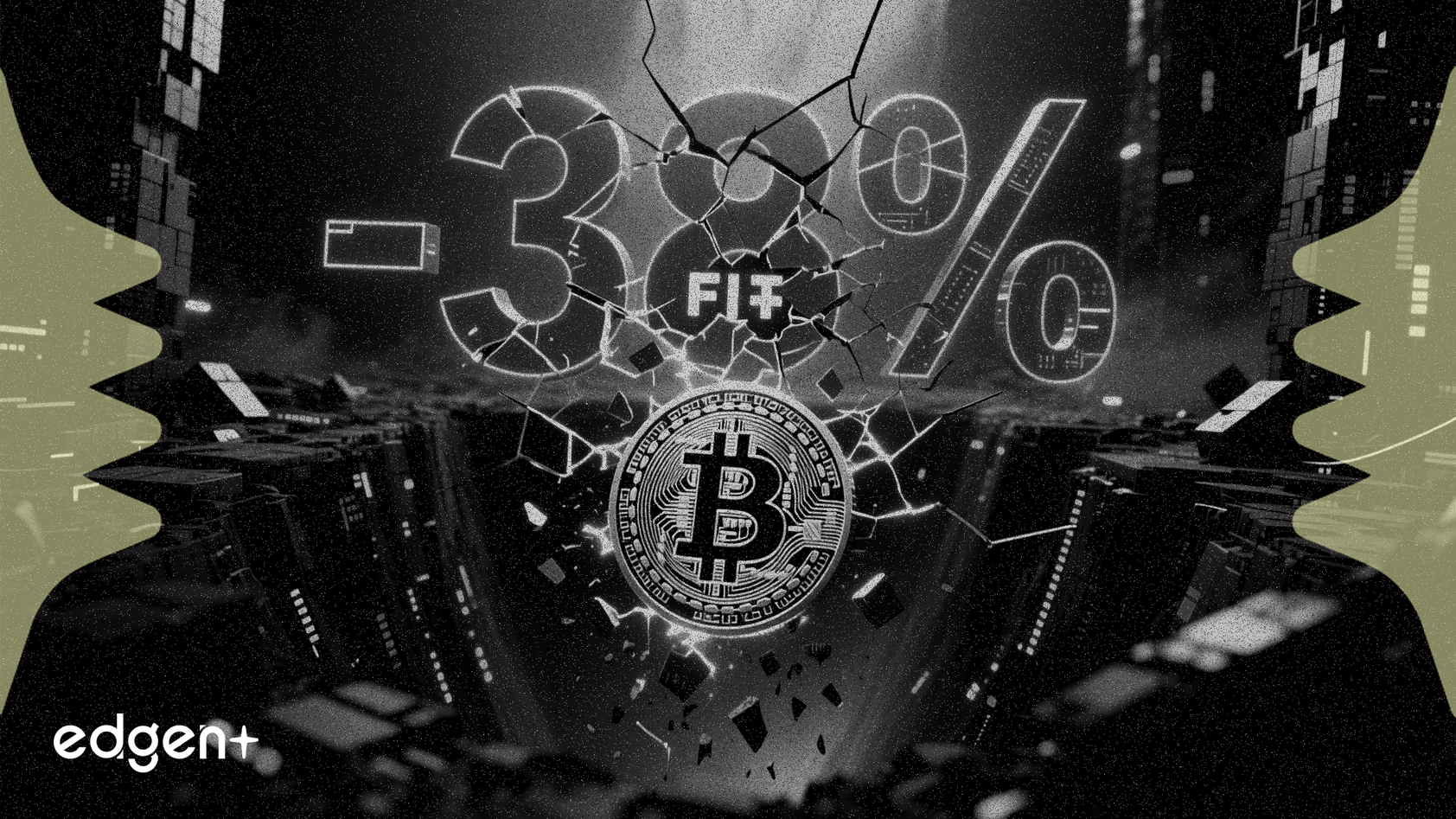
Altcoin Drawdown Hits Record 38%, Exceeding FTX Collapse Levels As of March 2026, the altcoin market has reached a new nadir of weakness for the current cycle. Data from analytics firm CryptoQuant reveals that 38% of alternative cryptocurrencies are now trading near their all-time lows. This figure is a stark indicator of widespread market distress, notably surpassing the previous high-water mark of 37.8% of altcoins that hit their price floors in the turmoil following the FTX exchange collapse. The data highlights a deepening crisis for smaller-cap digital assets, even as the broader market attempts to find its footing. Widespread Weakness Signals Potential Capital Flight The historic level of underperformance across the altcoin sector points to significant headwinds for speculative digital assets. This extreme weakness could trigger a cascading effect, leading to further capital flight as investors de-risk their portfolios and move funds toward more established assets like Bitcoin or stablecoins. For projects with weak fundamentals, this environment dramatically increases the risk of failure, potentially leading to a wave of delistings and shutdowns. Conversely, for contrarian investors with a long-term horizon, this period of maximum pessimism could present strategic buying opportunities in projects with resilient technology and communities.
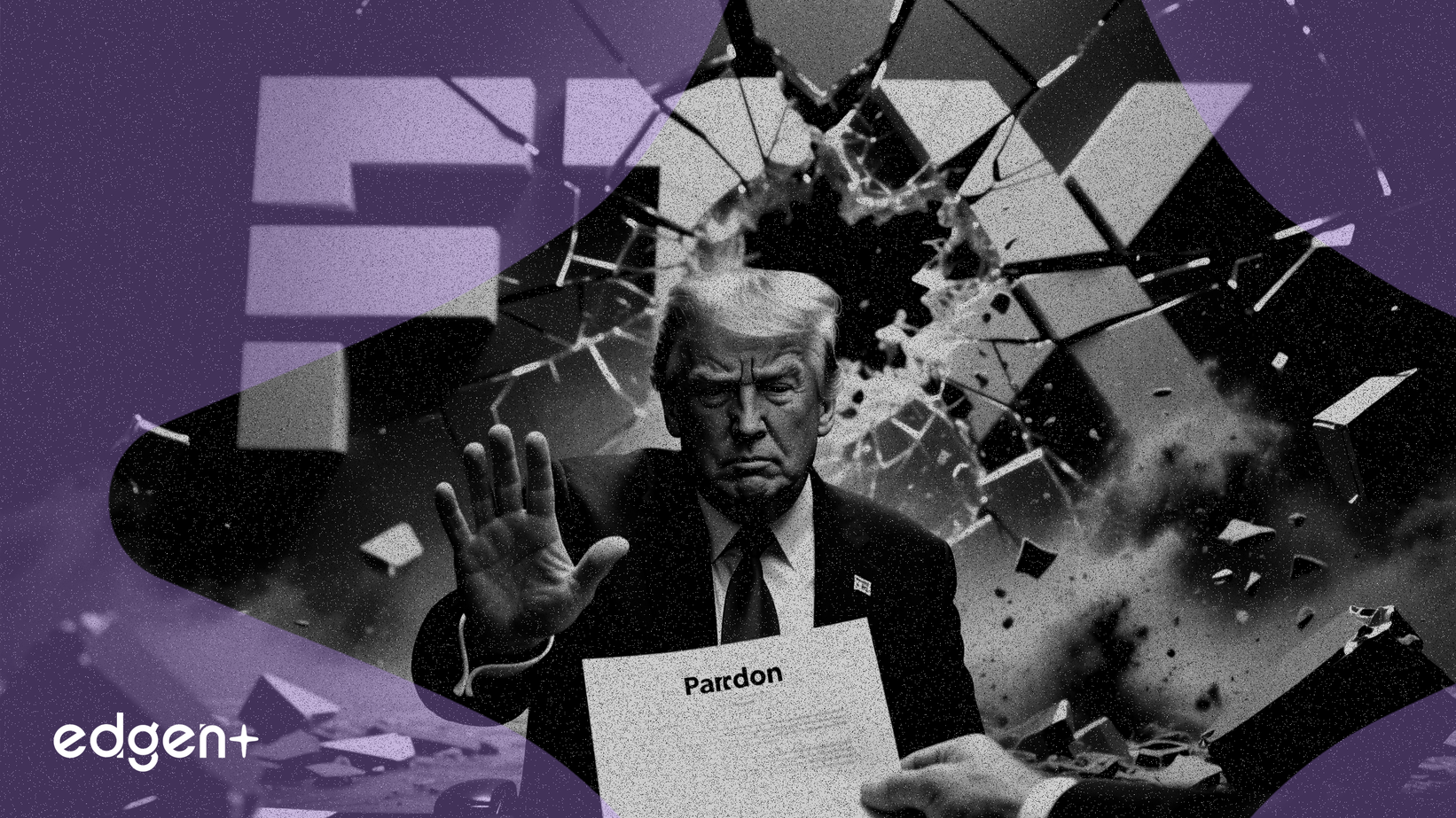
White House Confirms No Pardon for FTX Founder A White House spokesperson has officially confirmed to Fortune Magazine that President Donald Trump has no intention of pardoning Sam Bankman-Fried, the founder of the collapsed FTX exchange. This statement reaffirms a position the administration first took in January, dispelling any lingering speculation that a change in political leadership could lead to clemency for the convicted executive. Decision Reinforces Strict Stance on Crypto Fraud The administration's definitive stance sends a clear message to the cryptocurrency market: major financial fraud will face stringent legal consequences. This decision dampens any expectations within the industry for a softer regulatory approach toward individuals convicted of significant crimes. For investors and market participants, it underscores the persistent regulatory risks associated with the digital asset sector and reinforces that legal accountability for fraudulent activities will be upheld at the highest levels.
FTX (FTT) current price is $0.300931, up 5.11% today.
FTX (FTT) daily trading volume is $3.4M
FTX (FTT) current market cap is $0
FTX (FTT) current circulating supply is 0
FTX (FTT) fully diluted market cap (FDV) is $98.9M