


Products
Trading Strategies
Markets
© 2025 Edgen Powered by

Ask AI About AKT
No Data Yet

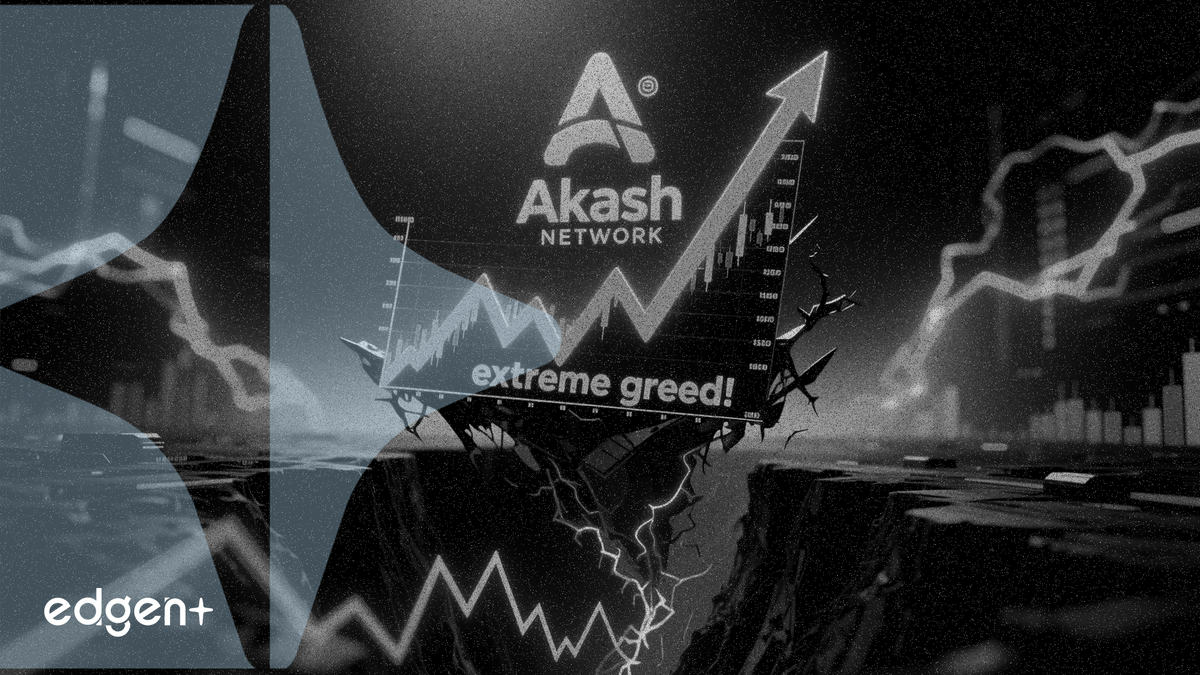
Korean Traders Signal 'Extreme Greed' Despite 1.45% Price Dip On March 22, Akash Network (AKT) surged to the top of South Korea's crypto sentiment rankings, registering a Fear Greed score of 86, a level classified as 'extreme greed'. This powerful bullish signal from a key Asian market occurred even as the token's price posted a modest daily decline. AKT was last quoted at 881 KRW, down 1.45% for the session. The divergence between overwhelmingly positive local sentiment and a minor price drop points to a potential buildup of buying pressure, a dynamic often preceding the 'Kimchi premium' effect where Korean market demand drives prices higher than global averages. Broader Market Gripped by 'Extreme Fear' as Bitcoin Falters The localized optimism for Akash stands in sharp contrast to the rest of the cryptocurrency market. The general Crypto Fear & Greed Index has flipped back to 'Extreme Fear,' with a reading hovering around 28. This widespread caution is driven by Bitcoin's failure to sustain its momentum after a brief spike above $75,000 earlier in the week. The leading cryptocurrency has since fallen below $69,000, pulling market-wide sentiment down with it and ending a 48-day period of slightly improving risk appetite. Options Data Shows Investors Paying Record Premiums for Protection Further evidence of market-wide defensiveness comes from the options market, where investors are paying record prices for downside protection. According to a VanEck report, the put-to-call open interest ratio for Bitcoin reached 0.84, its highest level since the China-led mining crackdown in June 2021. This indicates that traders are heavily favoring put options to insure against further price declines. While this caution suggests leveraged speculation has cooled, VanEck noted that such extreme skew readings have historically preceded significant price gains, with Bitcoin seeing average gains of 133% over 360 days following similar conditions in the past six years.
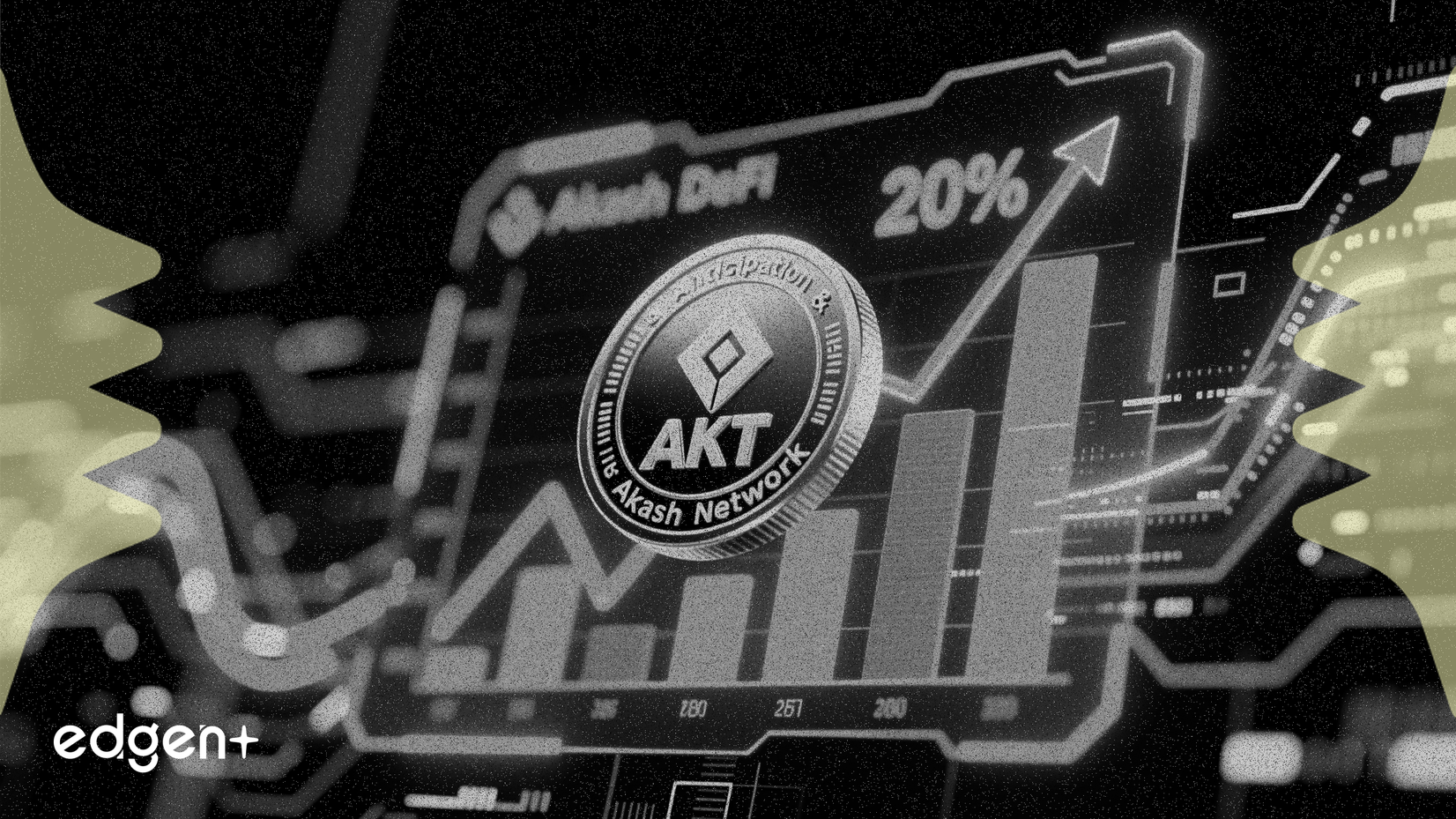
AKT Price Gains 20% on Governance Vote Speculation The Akash Network (AKT) token saw its value increase by 20% on March 8, 2026, as traders accumulated positions in anticipation of a significant governance event. The price action is directly linked to an upcoming vote on a proposal referred to as 'BME'. This speculative buying indicates that market participants expect the proposal's implementation to have a substantial positive impact on the network's tokenomics or utility. Vote Outcome Poses Major Catalyst for AKT The pending vote represents a decisive moment for AKT's price trajectory. A successful 'yes' vote on the BME proposal could introduce changes that further bolster the token's value, potentially extending the recent gains. Conversely, the event carries significant risk. A rejection of the proposal or a classic 'sell the news' reaction, where traders take profits immediately after the decision, could lead to a swift price reversal and erase the gains made.
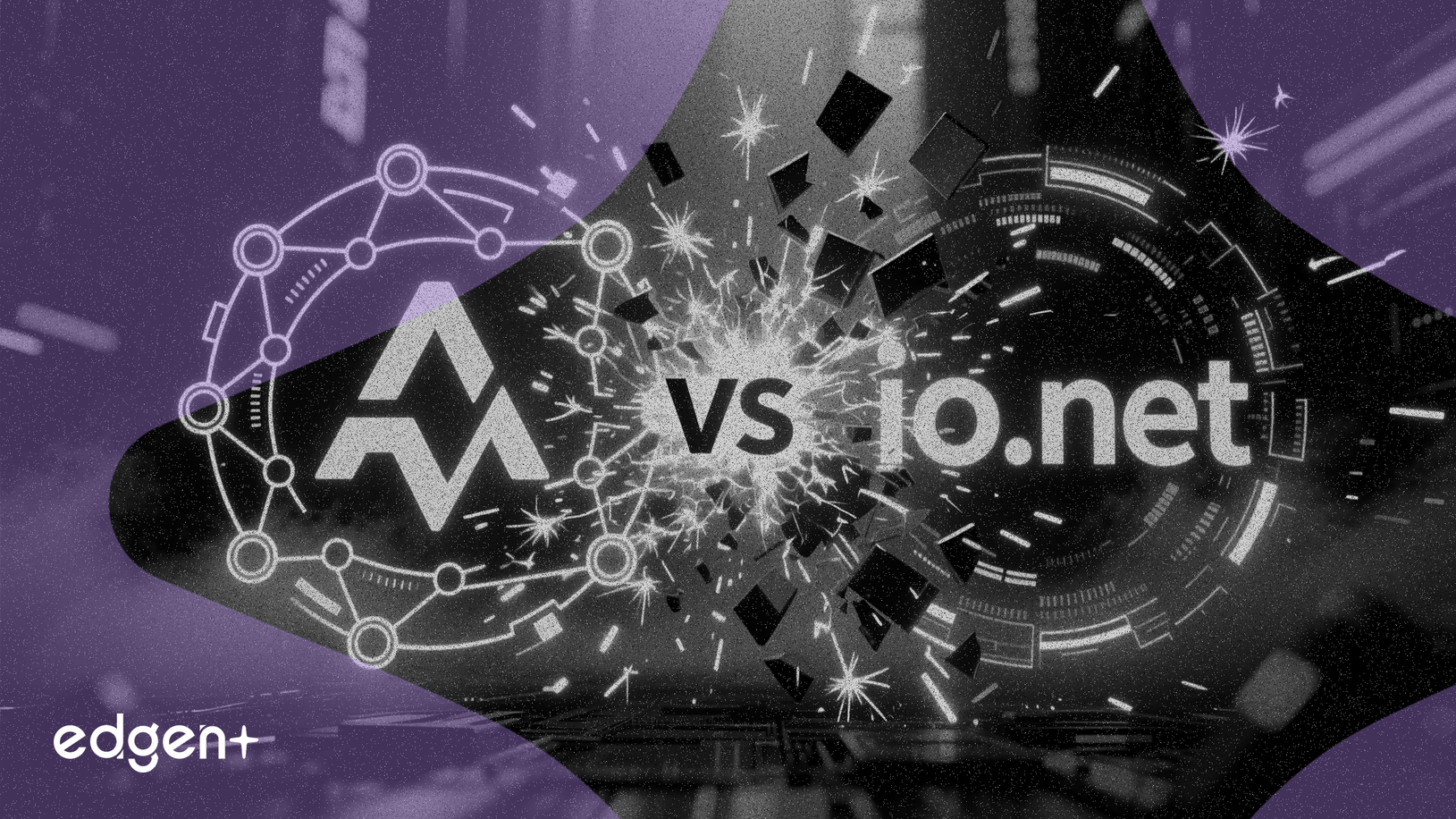
Akash Founder Challenges Rival io.net, Sparking Sector Dispute The competitive landscape of the Decentralized Physical Infrastructure Network (DePIN) sector grew more contentious after the founder of Akash Network publicly questioned the operations of rival project io.net. This move triggered a public 'flame war' between the two entities, moving their battle for market share from a technical race to a public confrontation. The dispute highlights the high stakes involved as multiple projects vie for dominance in providing decentralized GPU and CPU resources. For investors, this conflict serves as a critical signal of the sector's maturation and the fierce competition that comes with it. The direct challenge from a well-known project founder against a competitor is a departure from typical marketing and focuses attention on the underlying credibility and operational integrity of the projects involved. How each team manages the public narrative could significantly influence developer and user trust. Public Feud Puts AKT and IO Tokens on Watch for Volatility The open hostility between Akash and io.net directly exposes their native tokens, AKT and IO, to potential price volatility. Such public disputes can erode investor confidence, leading to sell-offs driven by uncertainty rather than fundamental analysis. Traders will be closely monitoring social media sentiment and official project communications for signs of escalation or resolution, which could trigger sharp price movements in either direction. The outcome of this conflict may have broader implications for the DePIN market. A loss of confidence in one or both projects could temporarily dampen investor enthusiasm for the entire sector. Conversely, if one project emerges with a stronger, more transparent position, it could consolidate market share and reinforce its long-term value proposition. The event forces market participants to scrutinize project claims more carefully, potentially leading to a healthier, more resilient ecosystem over time.

Executive Summary CoreWeave, a prominent AI cloud provider, has cemented a significant $1.17 billion artificial intelligence agreement with Vast Data, a firm supported by Nvidia. This collaboration, which designates Vast Data as the primary data platform for CoreWeave's GPU cloud infrastructure, resulted in CoreWeave's stock price surging nearly 4% in pre-market trading. The Event in Detail The agreement stipulates that CoreWeave will integrate Vast Data's platform into its cloud infrastructure, thereby providing customers with enhanced access to Graphics Processing Units (GPUs) essential for training and executing artificial intelligence models. While specific financial terms were not fully disclosed, Vast Data indicated that such contracts typically span three to five years. This partnership underpins CoreWeave's aggressive expansion, following a reported 420% year-over-year revenue increase in Q1 2025. The company also secured an $11.9 billion contract with OpenAI and acquired Core Scientific for $9 billion. Despite its $52.354 billion market capitalization and a 17.4x price-to-sales ratio reflecting investor optimism, CoreWeave reported a Q1 2025 net loss of -$314.64 million, with operating expenses surging 487% to $1.01 billion, resulting in a -3% operating margin. However, an adjusted EBITDA margin of 62% suggests potential for future profitability through efficient scaling. The company's projected $20-23 billion in capital expenditures for Q1 2025 further emphasizes its commitment to securing a dominant position in the AI cloud market. Market Implications The partnership's focus on GPU infrastructure and AI model training highlights the increasing demand for high-performance computing resources within the rapidly expanding AI sector. Nvidia's backing of Vast Data reinforces its strategic position at the intersection of AI and cloud computing, influencing market sentiment across related industries, including cryptocurrency. Nvidia's financial performance often acts as a barometer for the crypto market, particularly for AI-related tokens. For instance, in February 2025, prior to Nvidia's financial report, AI tokens such as Render (RNDR), SingularityNET (AGIX), and NEAR Protocol (NEAR) experienced single-day gains exceeding 10%. Conversely, market concerns in January 2025 regarding open-source models potentially reducing demand for high-end chips led to a 17% single-day plummet in Nvidia's stock price, coinciding with a drop in Bitcoin (BTC) to $83,000 and a 12% decline in RNDR. Nvidia's ongoing $50 billion AI infrastructure investment plan is expected to further deepen its integration with the crypto assets industry, directly benefiting "computing power leasing" tokens like Render (RNDR) and Akash Network (AKT), which anticipate revenue increases of 20%-30%. Broader Context This collaboration is part of a broader trend of integrating advanced artificial intelligence capabilities into Web3 ecosystems. Other notable developments include Imagen Network's partnership with xAI, aimed at incorporating multimodal intelligence to enhance creative engagement and dynamic content production across decentralized platforms. This initiative follows Imagen's ongoing integrations with Grok and Gemini models, emphasizing a modular AI infrastructure for scalable, personalized creator experiences. Similarly, Injective has launched iBuild, a no-code Web3 platform leveraging AI-assisted workflows to enable the creation and deployment of decentralized applications, ranging from perpetual exchanges to RWA protocols. These convergent efforts underscore a strategic imperative within the Web3 space to harness AI for infrastructure, application development, and user experience, thereby expanding the utility and accessibility of decentralized technologies.
Akash Network (AKT) current price is $0.447105, down 2.56% today.
Akash Network (AKT) daily trading volume is $3.9M
Akash Network (AKT) current market cap is $117.3M
Akash Network (AKT) current circulating supply is 262.7M
Akash Network (AKT) fully diluted market cap (FDV) is $130.2M
Akash Network (AKT) is founded by Greg Osuri