Edgen Crypto·Apr 11 2026, 13:47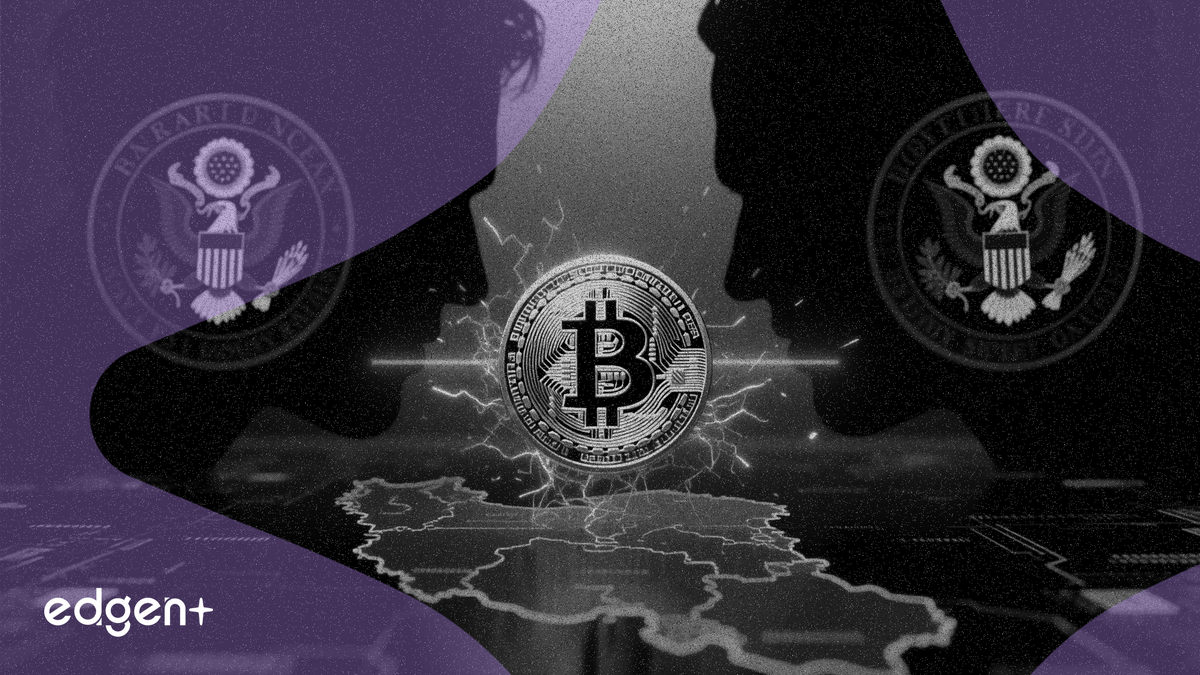
Shipping firms that use cryptocurrency to pay potential transit fees to Iran could face significant sanctions exposure, as US authorities may interpret the payments as material support for a sanctioned regime, blockchain intelligence firm Chainalysis warned.
"Doing so could carry significant sanctions violation risk, as the Iranian Revolutionary Guard Corps is sanctioned by multiple jurisdictions and Iran is subject to comprehensive sanctions by the United States," Kaitlin Martin, senior intelligence analyst at Chainalysis, told Cointelegraph.
The warning follows reports that Iran may seek to collect transit fees for passage through key waterways in digital currencies. While cryptocurrencies operate outside the traditional financial system, Martin noted their transparent nature makes them a poor choice for sanctions evasion. Investigators can trace funds on the blockchain to cash-out points where assets can be frozen.
This specific warning aligns with a broader regulatory crackdown by the US government on illicit finance in the digital asset space. The Treasury Department’s Financial Crimes Enforcement Network (FinCEN) and the Office of Foreign Assets Control (OFAC) recently proposed a joint rule that would require stablecoin issuers to implement comprehensive, risk-based AML and sanctions compliance programs.
A Pattern of Behavior
Tehran has reportedly expanded its use of digital assets, particularly stablecoins, to facilitate trade in oil and weapons. This follows a pattern seen with other sanctioned nations. Russia, for example, has used digital tokens to facilitate cross-border trade following the economic restrictions imposed after its 2022 invasion of Ukraine.
However, the transparency of public blockchains provides a permanent record of these transactions. "In many ways, cryptocurrency is actually easier to trace than traditional methods of sanctions evasion,” Martin said, highlighting the ability of analytics firms and government agencies to follow the money.
Broader US Regulatory Push
The proposed FinCEN and OFAC rule implements provisions of the GENIUS Act, aiming to bring stablecoin issuers in line with the compliance standards expected of other financial institutions. The rule would mandate that "permitted payment stablecoin issuers" establish programs to prevent money laundering and terrorist financing, conduct risk assessments, and report suspicious activity.
This move indicates that US regulators are actively closing potential loopholes for illicit finance within the crypto ecosystem. For shipping firms, it means that using any digital asset for payments to Iran carries a high probability of detection and severe penalties, reinforcing the guidance from Chainalysis.
This article is for informational purposes only and does not constitute investment advice.